
Kusatsu Onsen Sainokawara: Embrace Japan's Wild Heart in a Tattoo-Friendly Volcanic Wonderland
Introduction: Where Earth's Embrace Meets Human Serenity
Prepare to embark on a journey to the very soul of Japanese onsen culture, a place where the earth breathes warmth and ancient traditions meet modern inclusivity. Kusatsu Onsen Sainokawara Rotenburo is not merely a bath; it is an experience, a raw, unfiltered communion with nature that transcends the ordinary. Nestled amidst the dramatic volcanic landscapes of Gunma Prefecture, Sainokawara stands as a testament to Kusatsu's enduring allure – a majestic open-air bath famed for its spectacular scenery, its deep local charm, and its incredibly welcoming tattoo-friendly policy.
From the moment you approach, the air itself feels different, thick with the scent of sulfur and the whisper of steam rising from countless hot springs. Sainokawara, meaning "riverbed of the netherworld," evokes a sense of primeval power, yet its embrace is utterly comforting. It’s here, under the vast sky, surrounded by rugged rock formations and the changing tapestry of the seasons, that you will discover an onsen experience unlike any other. This is a place that celebrates authenticity, inviting everyone to partake in the therapeutic waters, free from conventional restrictions. It’s an essential pilgrimage for those seeking not just relaxation, but a profound connection to Japan's natural wonders and its embracing spirit.
History & Tradition: The Enduring Legacy of Kusatsu Onsen
Kusatsu Onsen holds a venerable place in Japan's history, consistently ranked among the country's top three hot springs for its exceptional water quality and therapeutic properties. Its reputation dates back over a thousand years, with legends linking its discovery to mythical figures and samurai warriors seeking healing and rejuvenation. The town itself has flourished around its abundant hot spring sources, developing unique traditions to manage and utilize its prodigious flow.
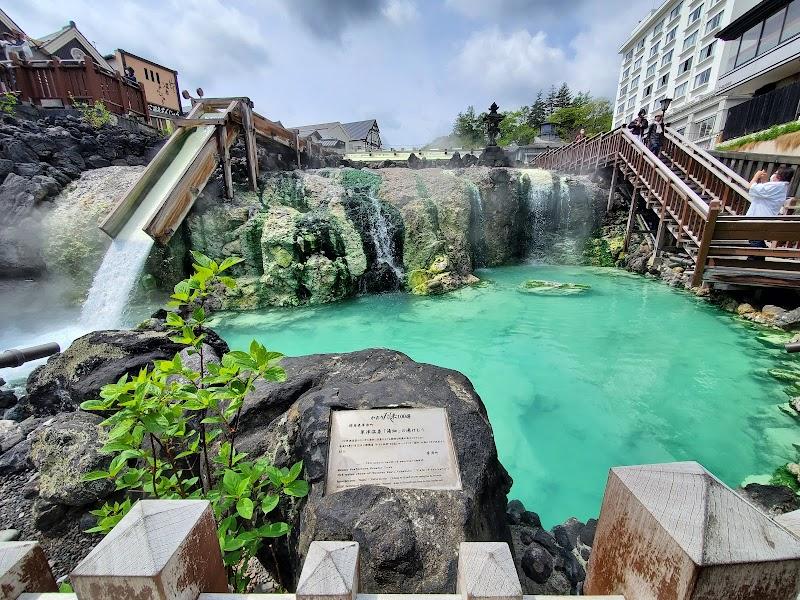
At the heart of Kusatsu's tradition is the Yubatake (湯畑), or "hot water field," a mesmerizing spectacle located in the town center. This iconic wooden structure channels and cools a significant portion of Kusatsu's hot spring water, allowing visitors to witness the raw power of the earth as steam billows and mineral deposits accumulate. This communal cooling process, known as "yumomi," traditionally involved women stirring the waters with long wooden paddles and singing folk songs, a performance still captivating visitors today at Netsu-no-Yu.
Sainokawara Rotenburo itself is an integral part of this rich tapestry. While not a ryokan, it is the crown jewel of the Sainokawara Park, an area where natural hot springs bubble up directly from the ground, forming streams and ponds. The park's rugged, untamed beauty perfectly reflects the raw, volcanic origins of Kusatsu's waters. For centuries, people have sought out these natural pools for their healing properties, and the modern Sainokawara Rotenburo continues this tradition, offering an expansive, naturalistic bathing experience that honors the area's ancient spirit. It's a place where the past feels palpable, where every stone and stream tells a story of geological forces and human appreciation.
Deep Dive into the Baths: A Symphony of Nature and Healing
The true allure of Sainokawara Rotenburo lies in its magnificent open-air baths, an expansive sanctuary where you can truly feel at one with nature. Unlike the enclosed, intimate settings of many ryokan baths, Sainokawara offers a vast, almost lake-like pool, designed to blend seamlessly with the surrounding environment.
Water Quality and Health Benefits: Kusatsu's waters are legendary for their potent acidity and high sulfur content. Sourced directly from the nearby Shirane Volcano, the water at Sainokawara is naturally warm, averaging around 46-50°C at the source, and cooled naturally to a comfortable bathing temperature. This highly acidic water (pH of around 2.1) is renowned for its powerful bactericidal properties, making it incredibly effective for treating skin conditions, muscle pain, neuralgia, and fatigue. The sulfur contributes to a distinctive aroma, a natural perfume that signals the water's therapeutic potency. As you soak, the minerals are absorbed, stimulating circulation and offering deep relaxation, leaving your skin feeling incredibly smooth and revitalized. It's a truly detoxifying and invigorating experience that harks back to the onsen's ancient purpose as a natural medicine.
The Exact View from the Bath: Imagine submerging yourself in the steaming, mineral-rich water, your body enveloped in warmth, as you gaze upon an ever-changing masterpiece of nature. The view from Sainokawara Rotenburo is nothing short of breathtaking. During the day, you're surrounded by dense forests, the trees ablaze with fiery reds and golds in autumn, or dusted with pristine white snow in winter, creating a stark yet beautiful contrast with the rising steam. Volcanic rock formations, carved by centuries of geological activity, frame the pools, enhancing the sense of being in a wild, untouched landscape. As evening descends, the view transforms. Under a blanket of shimmering stars, the steam dances against the dark sky, and the only sounds are the gentle murmur of water and the rustling of leaves. It’s an incredibly romantic and introspective setting, a perfect escape from the hustle and bustle of daily life.
Tattoo-Friendly Policy: A truly remarkable aspect that sets Sainokawara apart is its tattoo-friendly policy. In a country where tattoos have historically been associated with specific groups and often restricted in public bathing facilities, Sainokawara extends a warm welcome to all. This progressive approach ensures that everyone, regardless of their personal expression, can fully immerse themselves in this quintessential Japanese experience. It’s a wonderful example of inclusivity, reflecting a growing openness within Japan's traditional onsen culture. This policy, a key feature, allows a broader range of international and local visitors to experience the profound benefits and beauty of this exceptional onsen without reservation.
While Sainokawara itself does not offer private baths (kashikiri), the sheer expanse and natural grandeur of its public rotemburo provide an unparalleled sense of freedom and space, creating an intimate experience even within a shared setting.
Rooms & Accommodation: Crafting Your Kusatsu Sanctuary
While Kusatsu Onsen Sainokawara Rotenburo is a magnificent public bath and not a ryokan with its own accommodations, the surrounding Kusatsu Onsen town boasts an array of luxurious and charming ryokans, hotels, and guesthouses that perfectly complement a visit to this iconic bath. Choosing your accommodation in Kusatsu is about selecting a sanctuary that enhances your entire hot spring journey.
Traditional Tatami Rooms: Many of the finest ryokans in Kusatsu offer exquisite traditional tatami rooms. Imagine stepping into a space where every detail speaks of refined elegance and tranquility. These rooms typically feature:
-
Tatami flooring: Woven straw mats that provide a soft, natural feel underfoot.
-
Futon bedding: Comfortable Japanese mattresses laid out on the tatami in the evenings, offering a unique sleeping experience.
-
Sliding shoji (paper screens) and fusuma (panel doors): These allow for flexible room configurations and filter natural light, creating a soft, ambient glow.
-
Low wooden furniture: Including zaisu (legless chairs) and a low table where tea is served.
-
Wabi-sabi aesthetics: The beauty of imperfection, transience, and natural simplicity is often reflected in the minimalist decor, the choice of natural materials, and the emphasis on harmony with nature. Exposed wooden beams, subtle floral arrangements (ikebana), and carefully selected ceramic tea sets contribute to this serene atmosphere.
Many ryokans also feature private balconies or large windows offering great views of the town, the Yubatake, or the surrounding mountains, especially captivating during the vibrant autumn foliage or snow-covered winter.
Western-Style Beds and Modern Amenities: For those who prefer the familiarity of Western comforts, many luxury ryokans in Kusatsu now offer rooms that seamlessly blend traditional Japanese design with modern conveniences. These might include:
-
Rooms with a dedicated sleeping area featuring comfortable beds, alongside a tatami-floored living space.
-
En-suite bathrooms, often with their own private onsen or high-tech facilities.
-
Wi-Fi, flat-screen TVs, and climate control, ensuring a comfortable stay without compromising the authentic experience.
The architecture of these ryokans often pays homage to the local environment, using natural wood and stone, with design principles that emphasize spaciousness and connection to the outdoors. Whether you choose a century-old traditional inn or a contemporary luxury hotel, your accommodation in Kusatsu will serve as a peaceful retreat where you can unwind before and after your exhilarating soak at Sainokawara.
Gastronomy (Kaiseki Dinner): A Culinary Journey Through Gunma
A visit to Kusatsu Onsen is incomplete without indulging in the exquisite Kaiseki dinner, a multi-course traditional Japanese meal that is a highlight of staying at a fine ryokan in the area. This isn't just food; it's an art form, a meticulously crafted culinary journey that celebrates the local seasonal ingredients of Gunma Prefecture.
The Kaiseki Experience: Served with impeccable presentation, each dish is a small masterpiece, carefully arranged to delight both the eyes and the palate. The courses typically include:
-
Sakizuke (Appetizer): A small, seasonal starter, often artfully arranged.
-
Suimono (Soup): A delicate clear broth, often with seasonal ingredients.
-
Otsukuri (Sashimi): Fresh, expertly sliced raw fish, highlighting the pristine quality of ingredients. While Gunma is landlocked, superior quality fish is sourced daily.
-
Yakimono (Grilled Dish): Often featuring local river fish or premium wagyu beef, grilled to perfection.
-
Nimono (Simmered Dish): Tender vegetables and proteins simmered in a dashi-based broth.
-
Agemono (Fried Dish): Lightly battered tempura of seasonal vegetables or seafood.
-
Gohan (Rice): Steamed local rice, often accompanied by miso soup and tsukemono (pickles).
-
Dessert: A refreshing sweet treat, often incorporating seasonal fruits or traditional Japanese confections.
Local Seasonal Ingredients: The chefs in Kusatsu take immense pride in showcasing Gunma's bounty. You can expect to savor:
-
Kusatsu Onsen Manju: While a snack, this sweet steamed bun with red bean paste is ubiquitous and a must-try.
-
Joshu Wagyu Beef: Premium quality beef raised in Gunma, known for its marbling and rich flavor, often featured in grilled or sukiyaki dishes.
-
Seasonal Mountain Vegetables (Sansai): Wild greens foraged from the surrounding mountains, offering unique textures and earthy flavors.
-
Local Mushrooms: Shiitake, maitake, and other varieties thrive in the region.
-
Freshwater Fish: Such as ayu (sweetfish) from nearby rivers, often grilled whole.
Breakfast: While dinner is the grand affair, breakfast at a ryokan is equally delightful, offering a lighter yet equally satisfying start to the day. Typically a traditional Japanese breakfast includes:
-
Grilled fish
-
Miso soup
-
Steamed rice
-
Natto (fermented soybeans, optional!)
-
Assortment of pickles
-
Japanese omelet (tamagoyaki)
-
Various side dishes, all designed for nutritional balance and exquisite taste.
Dining in Kusatsu is not just about sustenance; it’s an immersive cultural experience, a celebration of regional flavors and meticulous culinary artistry that completes the holistic journey of mind, body, and spirit.
Things to Do Around the Area: Beyond the Bath's Embrace
While the allure of Sainokawara Rotenburo and Kusatsu's healing waters is undeniable, the town and its surroundings offer a wealth of experiences that enrich your visit, solidifying its status as a premier destination with immense local charm.
-
Kusatsu Yubatake (湯畑): A visit to Kusatsu begins and ends at the iconic Yubatake. This natural monument, translating to "hot water field," is the town's central feature. Witness the mesmerizing spectacle of hot spring water, channeling through wooden conduits, emitting steam and a distinct sulfurous aroma. Stroll along the boardwalks, observe the mineral deposits, and feel the raw power of the earth. At night, the Yubatake is beautifully illuminated, creating a magical, ethereal atmosphere.
-
Netsu-no-Yu (熱乃湯) and Yumomi Performance: Located next to the Yubatake, Netsu-no-Yu offers daily "Yumomi" performances. This traditional method of cooling the hot spring water involves stirring it with long wooden paddles while singing folk songs. It's an energetic, captivating cultural demonstration that highlights the unique traditions developed to manage Kusatsu's intensely hot waters. You can even participate in a shortened version!
-
Sainokawara Park (西の河原公園): Sainokawara Rotenburo is situated within this beautiful, geologically active park. Explore the walking trails that wind through the park, where hot spring water naturally bubbles up from the ground, forming numerous streams, waterfalls, and steaming ponds. The landscape is wild and dramatic, especially picturesque during autumn with vibrant foliage or in winter with snow. Keep an eye out for the unique "Onsen Manju" stalls, where you can buy freshly steamed buns.
-
Kusatsu Tsurutaro Kataoka Museum: For art enthusiasts, this museum showcases the works of renowned Japanese artist Tsurutaro Kataoka, known for his unique blend of traditional and contemporary styles.
-
Hiking and Nature Walks: The surrounding Joshinetsu Kogen National Park offers numerous hiking trails for all levels, providing stunning views of the volcanic landscape. Mount Shirane and its emerald-green crater lake, Yugama, are popular destinations, though access can be seasonal.
-
Skiing and Snowboarding (Winter): During the winter months, Kusatsu Kokusai Ski Resort, just a short bus ride from the town center, transforms into a popular destination for skiing and snowboarding. Imagine soaking in a hot spring after a day on the slopes – the ultimate après-ski experience!
-
Local Shopping Streets: Wander through the charming streets radiating from the Yubatake, filled with souvenir shops selling local crafts, hot spring cosmetics, and specialty foods like local sake, miso, and delicious hot spring-steamed rice crackers. Don't forget to try the local soft-serve ice cream, often infused with regional flavors.
Every corner of Kusatsu exudes a rich history and a vibrant, welcoming atmosphere, making it a destination that caters to diverse interests beyond just bathing.
Access Guide: Journey to the Heart of Gunma
Reaching Kusatsu Onsen, nestled deep in the mountains of Gunma Prefecture, is an adventure in itself, typically involving a scenic combination of train and bus. While it feels wonderfully remote, it's surprisingly accessible from major urban centers like Tokyo.
From Tokyo (Most Common Route):
-
Tokyo to Karuizawa Station (Bullet Train - Shinkansen):
- From Tokyo Station or Ueno Station, take the Hokuriku Shinkansen (Asama or Hakutaka service) to Karuizawa Station.
-
This journey takes approximately 60-75 minutes. It's a comfortable and efficient way to travel, offering glimpses of the Japanese countryside.
-
Karuizawa Station to Kusatsu Onsen Bus Terminal (Bus):
- Upon arrival at Karuizawa Station, exit the North Exit and head to the bus terminal.
-
Take the Kusakaru Kotsu (草軽交通) or JR Kanto Bus (JR関東バス) service directly to Kusatsu Onsen Bus Terminal.
-
This bus ride typically lasts about 70-80 minutes and offers picturesque views as it winds its way up into the mountains. Buses are frequent, especially during peak seasons.
Alternative Route (from Tokyo, slightly longer but direct bus option):
-
Shinjuku Expressway Bus Terminal (Tokyo) to Kusatsu Onsen Bus Terminal (Direct Bus):
- For a single-journey option without transfers, consider taking a direct highway bus from the Shinjuku Expressway Bus Terminal (Busta Shinjuku) to Kusatsu Onsen Bus Terminal.
-
This journey takes approximately 4 hours to 4.5 hours, depending on traffic. This is often the most cost-effective option if you don't have a JR Pass.
Once in Kusatsu Onsen:
-
The Kusatsu Onsen Bus Terminal is conveniently located close to the town center and the Yubatake.
-
From the bus terminal, Sainokawara Park and its Rotenburo are about a 10-15 minute walk. Many ryokans offer shuttle services from the bus terminal, so it's advisable to check with your accommodation beforehand. The town is highly walkable, allowing you to immerse yourself in the local charm as you explore.
Travel Tips:
-
Book Shinkansen tickets in advance, especially during peak seasons or holidays. You can purchase them at JR ticket counters or through online services.
-
Bus tickets from Karuizawa to Kusatsu can usually be bought on the day at the bus terminal. However, during very busy periods, it might be wise to check schedules and consider advance booking if possible.
-
Consider a JR Pass if you are traveling extensively throughout Japan, as it covers the Shinkansen portion of the journey.
The journey to Kusatsu Onsen, though involving a transfer, is an integral part of the experience, transitioning you from the urban sprawl to the tranquil, natural beauty of Gunma's volcanic heartland.
FAQ & Practical Tips: Enhancing Your Kusatsu Onsen Experience
To ensure a seamless and profoundly enjoyable visit to Kusatsu Onsen and its magnificent Sainokawara Rotenburo, here are some practical tips and answers to frequently asked questions:
1. Tattoo Policy at Sainokawara Rotenburo: * Yes, Sainokawara Rotenburo is proudly tattoo-friendly! This is one of its most celebrated features, making it accessible to a wider international audience and those with personal body art. You can soak freely without the need to cover your tattoos, fully embracing the onsen culture.
2. Best Season to Visit: * Autumn (October-November): Offers breathtaking scenery with vibrant red, orange, and gold foliage blanketing the mountainsides, creating a stunning contrast with the steaming onsen.
-
Winter (December-March): Transforms Kusatsu into a magical snow wonderland. Soaking in the steaming outdoor bath while snow gently falls around you is an unforgettable, quintessential Japanese experience. It's also prime season for skiing at nearby resorts.
-
Spring (April-May): Cherry blossoms begin to bloom in late April/early May, adding a delicate beauty, and the weather is pleasantly mild for exploring.
-
Summer (June-September): A popular escape from the city heat, with lush green landscapes and cooler mountain temperatures. While humid, it's still a refreshing retreat.
3. What to Bring to the Onsen: * Small Towel: For modesty and drying after a rinse. You can often rent or purchase one at the onsen entrance.
-
Large Towel: For full drying after bathing.
-
Toiletry Bag: Shampoo, conditioner, soap are usually provided in the washing area, but bring your preferred brands if you have them.
-
Swimsuit: Not typically worn in traditional Japanese onsen, including Sainokawara. You bathe nude. Respect local customs.
-
Comfortable Clothing: Easy to put on and take off before and after your bath.
-
Yutaka (Traditional Robe): If staying at a ryokan, you'll likely be provided with one. It's perfectly acceptable, and even encouraged, to wear your yutaka when strolling around the town, especially in the evenings.
4. Onsen Etiquette: * Shower thoroughly before entering the bath. This is crucial for hygiene.
-
Do not wear swimsuits or clothes in the main bathing area. Onsen are for nude bathing.
-
Keep your small towel out of the bathwater. It can be placed on your head or at the edge of the bath.
-
Enter the bath slowly and quietly.
- Rinse off lightly before leaving the bath.
- Do not swim or splash. Onsen are for soaking and relaxation.
-
Stay hydrated! The heat can be intense.
-
Be mindful of others. Maintain a respectful demeanor.
5. Booking Tips for Accommodation (Ryokans in Kusatsu): * Book Well in Advance: Especially for peak seasons (autumn leaves, winter holidays, Golden Week), popular ryokans can be fully booked months ahead.
-
Check for Kaiseki Dinner Options: Many ryokans offer excellent half-board plans that include a sumptuous multi-course dinner and breakfast. This is highly recommended for the full cultural and culinary experience.
-
Consider Transportation: Some ryokans offer shuttle services from the Kusatsu Onsen Bus Terminal, which can be very convenient.
-
Read Reviews: Look for reviews specifically mentioning room quality, onsen facilities (many ryokans have their own private or public baths in addition to Sainokawara), and service.
6. Language Barrier: * While many establishments in Kusatsu are becoming more accustomed to international tourists, especially around the Yubatake area, English proficiency might be limited in smaller shops or restaurants. Having a translation app or basic Japanese phrases can be helpful.
By keeping these practical tips in mind, your visit to Kusatsu Onsen and the breathtaking Sainokawara Rotenburo will undoubtedly be a smooth, enriching, and unforgettable journey into the heart of Japanese hot spring culture.
Conclusion: A Journey for the Senses and the Soul
Kusatsu Onsen Sainokawara Rotenburo is far more than just a place to bathe; it is a destination that truly nourishes the senses and profoundly rejuvenates the soul. It offers a rare opportunity to immerse oneself in the raw, untamed beauty of Japan's volcanic landscape, to feel the therapeutic embrace of its legendary waters, and to connect with a culture that champions well-being and natural harmony.
From the steaming, mineral-rich waters that promise deep healing and relaxation, to the spectacular scenery that changes with every season – be it the fiery hues of autumn or the pristine blanket of winter snow – Sainokawara offers an unparalleled visual and sensory feast. Its local charm permeates every aspect of the visit, from the welcoming atmosphere of Kusatsu town to the traditional ryokans and the exquisite seasonal cuisine. And, perhaps most significantly, its progressive tattoo-friendly policy stands as a beacon of inclusivity, ensuring that every traveler can fully partake in this quintessential Japanese experience without hesitation.
Whether you seek a powerful detox, a tranquil escape under a canopy of stars, or a deeper understanding of Japan's rich traditions, Kusatsu Onsen Sainokawara awaits. It’s an invitation to shed the burdens of the modern world, to embrace nature's profound beauty, and to discover a sanctuary where tradition and warmth converge, leaving you refreshed, revitalized, and utterly enchanted. Come, surrender to the wild heart of Gunma, and let the legendary waters of Sainokawara whisper their ancient secrets to your spirit.