
Yufuin's Hidden Gem: Discover Tranquility and Authentic Local Charm at Hinoharu Ryokan's Private Onsen Sanctuary
Unveiling Yufuin's Soul: A Journey to Hinoharu Ryokan
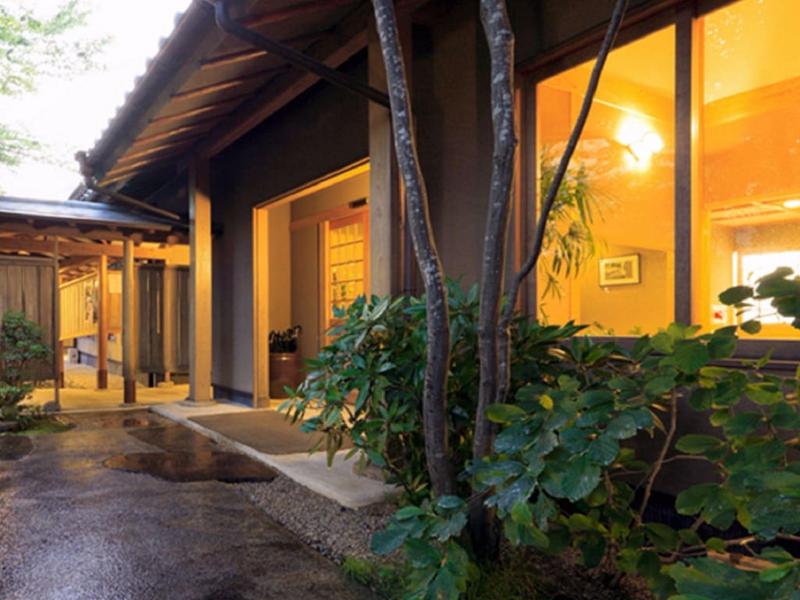
As an elite travel journalist specializing in the exquisite world of Japanese onsen and luxury ryokans, I've had the privilege of experiencing countless havens of tranquility. Yet, few places resonate with the quiet authenticity and profound charm of Yufuin Onsen Hinoharu Ryokan. Tucked away in the picturesque valley of Yufuin, Oita Prefecture, this ryokan isn't merely a place to stay; it's an invitation to step into a timeless narrative, a deeply personal encounter with Japan's celebrated onsen culture. From the moment you arrive, the air, crisp and clean, whispers tales of Mount Yufu's majestic presence and the soothing embrace of thermal waters. Hinoharu Ryokan immediately impresses with its understated elegance, a testament to traditional Japanese aesthetics that value harmony with nature and quiet simplicity. This is not a flashy, opulent resort, but rather a sophisticated, local gem where genuine hospitality and the therapeutic power of its private baths create an unparalleled sense of peace. It's an ideal sanctuary for those seeking an intimate retreat, a place to truly disconnect from the clamor of the modern world and reconnect with oneself, surrounded by the breathtaking natural beauty of Kyushu.
Echoes of the Past: History and Tradition in Yufuin
Yufuin itself holds a fascinating history, evolving from a humble agricultural village into one of Japan's most beloved and chic onsen towns, yet remarkably retaining its pastoral charm. Unlike its flashier neighbor Beppu, Yufuin consciously chose a path of harmonious development, focusing on preserving its natural landscape and fostering a vibrant artistic community. This philosophy is deeply ingrained in establishments like Hinoharu Ryokan. While specific historical records for Hinoharu might be discreetly woven into its fabric rather than loudly proclaimed, its existence speaks volumes about a dedication to enduring traditions. The ryokan stands as a custodian of local heritage, offering an experience that reflects Yufuin's commitment to quality over quantity, authenticity over superficiality. Its architecture, imbued with a sense of wabi-sabi, showcases the beauty of imperfection and transience, telling a story of generations dedicated to providing solace and rejuvenation through the gifts of nature. Staying here is not just about relaxation; it's about participating in a living tradition, appreciating the delicate balance between past and present that defines Yufuin's unique allure.
A Sanctuary of Soothing Waters: Deep Dive into Hinoharu's Baths
The heart of any onsen ryokan lies, undeniably, in its baths, and at Hinoharu Ryokan, this core experience is elevated to an art form, particularly through its cherished private baths (kashikiri or family baths). These are not merely functional spaces but intimate sanctuaries designed for profound relaxation. Imagine stepping into your own secluded outdoor bath, where the steam dances gently upwards into the crisp Yufuin air. The water, sourced directly from Yufuin's abundant geothermal springs, is renowned for its clarity and therapeutic properties. It's typically a clear, soft water, rich in various minerals such as bicarbonates and silicates, which are celebrated for their skin-softening effects – often referred to as "bihada no yu" or "water for beautiful skin." The gentle warmth envelops you, easing tension from muscles and promoting deep relaxation. The health benefits extend beyond mere physical comfort; the minerals are believed to improve circulation, soothe rheumatic pains, and alleviate stress, leaving you feeling utterly revitalized, both physically and mentally.
What truly sets Hinoharu's private baths apart is the breathtaking view. From the quiet solitude of your personal onsen, you are often granted an unobstructed panorama of the surrounding natural splendor. Depending on the bath's orientation, this might include the iconic, twin-peaked silhouette of Mount Yufu – a sacred mountain revered by locals – standing majestically against the sky. In autumn, the surrounding foliage bursts into vibrant hues of crimson and gold, creating a spectacular backdrop. In winter, a delicate dusting of snow transforms the landscape into a serene, ethereal painting. Even on a clear summer morning, the lush greenery offers a calming vista. The genius of these private baths is that they allow you to immerse yourself fully in this natural grandeur, without the usual inhibitions of a public bath. It’s an incredibly intimate moment where nature, tradition, and personal well-being converge, creating memories that linger long after the waters have cooled. The sound of rustling leaves or distant birdsong becomes your private symphony, enhancing an already perfect escape.
A Retreat into Japanese Elegance: Rooms and Accommodation
The accommodations at Hinoharu Ryokan are a masterclass in refined Japanese aesthetics, designed to complement the serene onsen experience. Stepping into your room feels like entering a private haven where traditional comfort reigns supreme. Predominantly, you'll find classic Japanese-style rooms (washitsu) featuring pristine tatami mat flooring, sliding shoji paper screens, and minimalist decor that emphasizes natural materials and clean lines. The air is often scented with the subtle aroma of tatami, instantly transporting you to a realm of tranquility. During the day, the spacious rooms invite natural light, and at night, comfortable futon bedding is laid out by staff, promising a deep, restorative sleep. While the emphasis is firmly on tradition, some rooms may subtly integrate modern conveniences, ensuring a seamless and comfortable stay without detracting from the authentic atmosphere.
The architecture throughout the ryokan echoes a deep respect for its surroundings. Dark, polished wood, delicate paper screens, and carefully placed ikebana (flower arrangements) or a single piece of calligraphy adorn the spaces, embodying the principles of wabi-sabi – finding beauty in imperfection, simplicity, and natural processes. Every detail, from the choice of ceramics to the garden views from your window, is thoughtfully curated to create an atmosphere of peaceful contemplation. You won't find excessive ornamentation here; instead, beauty is found in the quality of materials, the interplay of light and shadow, and the profound sense of calm that permeates every corner. It's an environment that encourages mindful living, allowing guests to fully appreciate the unhurried pace of ryokan life.
A Culinary Overture: Gastronomy at Hinoharu Ryokan
No luxury ryokan experience is complete without indulging in its culinary offerings, and Hinoharu Ryokan presents a dining experience that is as memorable as its baths. The traditional Kaiseki dinner served here is not just a meal; it's a meticulously crafted artistic presentation, a multi-course feast that awakens the senses and celebrates the bounty of Oita Prefecture. Each dish is a miniature masterpiece, prepared with the freshest local seasonal ingredients. Imagine succulent Bungo beef, a renowned wagyu variety from Oita, exquisitely prepared to melt in your mouth. This might be complemented by freshly harvested mountain vegetables, delicate sashimi from local waters (if available and seasonal), and perfectly steamed rice.
The menu evolves with the seasons, ensuring that every visit offers a unique culinary journey. Spring might bring vibrant bamboo shoots and wild greens, while autumn showcases rich mushrooms and chestnuts. Presentation is paramount in kaiseki, with each small dish arranged with an artist's eye, utilizing beautiful ceramics and garnishes to enhance both taste and visual appeal. The experience is typically enjoyed in a private dining room or in the comfort of your own room, adding to the intimate and luxurious feel.
Breakfast at Hinoharu Ryokan is equally delightful, featuring a traditional Japanese spread that is both wholesome and delicious. Expect perfectly grilled fish, fluffy tamagoyaki (rolled omelet), miso soup, various pickles, and fresh local produce. It’s a nourishing start to your day, preparing you for explorations of Yufuin or another blissful soak in the onsen. The emphasis on locally sourced ingredients not only supports the regional economy but also provides guests with an authentic taste of Oita's rich culinary landscape, making dining a central, unforgettable part of the Hinoharu experience.
Exploring Yufuin's Charms: Things to Do Around the Area
Hinoharu Ryokan's status as a local haven means you're perfectly positioned to immerse yourself in the unique character of Yufuin. The town itself is a treasure trove of gentle delights, ideal for leisurely exploration. A must-visit is Lake Kinrin, a mystical lake known for its year-round warm waters, allowing mist to rise from its surface, especially enchanting in the early morning or late afternoon. Stroll along its banks, visit the small shrine, and soak in the serene atmosphere.
The main street, Yunotsubo Kaido, stretches from Yufuin Station towards Lake Kinrin, brimming with artisan shops, quaint cafes, and local craft stores. Here, you can find unique souvenirs, sample local sweets and snacks, or simply enjoy people-watching. Don't miss the opportunity to explore some of Yufuin's numerous art galleries and museums, which range from contemporary art to stained glass, reflecting the town's artistic spirit.
For those who enjoy nature, the area surrounding Mount Yufu offers picturesque walking and cycling paths. Rent a bicycle and explore the quieter back roads, discovering hidden rice paddies and charming farmhouses. A visit to a local sake brewery or a regional pottery workshop can also provide a deeper insight into Kyushu's rich cultural traditions. Yufuin's gentle pace encourages slow travel, allowing you to discover its nuanced beauty and connect with its authentic local heartbeat.
Journey to Serenity: Access Guide to Hinoharu Ryokan
Reaching the tranquil haven of Yufuin Onsen Hinoharu Ryokan is an integral part of the adventure, offering scenic glimpses of Kyushu's beautiful landscapes.
From Major Cities:
-
From Fukuoka (Hakata Station):
- By Train: The most popular and scenic route is via the JR Limited Express Yufu no Mori or JR Limited Express Yufu from Hakata Station directly to JR Yufuin Station. The journey takes approximately 2 to 2.5 hours and offers breathtaking views of the countryside. Booking tickets in advance, especially for the Yufu no Mori (a popular sightseeing train), is highly recommended.
-
By Bus: Direct highway buses operate frequently from Hakata Bus Terminal (next to Hakata Station) to Yufuin Bus Center (right next to Yufuin Station). This is often a more economical option, taking about 2.5 hours.
-
From Oita City:
- By Train: Take the JR Kyudai Line from Oita Station directly to JR Yufuin Station (approx. 1 hour).
-
By Bus: Local buses also run from Oita to Yufuin.
-
From Beppu:
- By Train: Take the JR Kyudai Line from Beppu Station to Oita Station, then transfer to the JR Kyudai Line for Yufuin (total approx. 1.5 hours).
-
By Bus: Highway buses connect Beppu to Yufuin directly (approx. 50 minutes to 1 hour).
From Oita Airport (OIT):
- By Bus: The most convenient option is to take the direct airport shuttle bus (Airport Limousine Bus) from Oita Airport to Yufuin Bus Center. The journey typically takes about 55 minutes to 1 hour. These buses are timed to coincide with flight arrivals.
From Yufuin Station/Bus Center to Hinoharu Ryokan:
- Hinoharu Ryokan is typically a short walk or a quick taxi ride from Yufuin Station/Bus Center. It's always advisable to check the ryokan's specific directions on their website or inquire directly when booking. A taxi ride would be very short and inexpensive.
Navigating to Yufuin is a picturesque journey in itself, building anticipation for the serene retreat that awaits at Hinoharu Ryokan.
Essential Insights: FAQ & Practical Tips for Your Stay
To ensure your visit to Hinoharu Ryokan is as seamless and enjoyable as possible, here are some frequently asked questions and practical tips from an expert's perspective:
-
Tattoo Policy: One of the most common concerns for international travelers in Japan. Given that Hinoharu Ryokan specializes in private baths (kashikiri), this significantly alleviates tattoo concerns. Guests with tattoos can enjoy the onsen experience in complete privacy within their dedicated family bath areas without needing to cover them. While public baths in Japan often have strict tattoo policies, private baths generally offer full freedom. However, it's always polite to confirm directly with the ryokan when booking, just to be absolutely certain and respectful of their specific rules.
-
Best Season to Visit: Yufuin offers distinct beauty in every season.
-
Autumn (October-November): Arguably the most popular, with the surrounding mountains ablaze in vibrant red, orange, and gold foliage. The crisp air makes soaking in the onsen particularly delightful.
-
Winter (December-February): Offers a magical, serene atmosphere. The possibility of snow-dusted landscapes and steam rising dramatically from the onsen creates an unforgettable experience. It's also less crowded.
-
Spring (March-May): Cherry blossoms (sakura) typically bloom in late March to early April, adding a delicate beauty. The weather is mild and pleasant for exploring.
-
Summer (June-September): Lush green landscapes and comfortable temperatures, though it can be humid. Less popular for onsen, but great for hiking and enjoying the nature.
-
Booking Tips:
- Book Early: Especially if you plan to visit during peak seasons (autumn leaves, cherry blossom, national holidays), booking several months in advance is crucial, particularly for popular ryokans like Hinoharu.
-
Direct Booking: While online travel agencies are convenient, sometimes booking directly through the ryokan's official website or contacting them via phone/email can offer special packages, better rates, or allow for specific room/bath requests.
-
Dietary Restrictions: If you have any dietary restrictions or allergies, inform the ryokan well in advance (preferably at the time of booking). Japanese ryokans are generally accommodating but require prior notice for kaiseki meals.
-
Check-in/Check-out Times: Adhere strictly to the ryokan's check-in and check-out times. Early check-in or late check-out is often not possible due to the meticulous preparation required for each guest.
-
Language: While English might be limited, most ryokans have staff who can communicate basic information or utilize translation apps. Bringing a small phrasebook or using translation apps can be helpful.
By keeping these tips in mind, you can ensure a smooth, respectful, and deeply enriching experience at Hinoharu Ryokan.
The Enduring Embrace of Yufuin's Hinoharu Ryokan
My journey through the serene landscapes and warm waters of Yufuin Onsen Hinoharu Ryokan leaves an indelible mark, a quiet affirmation of why these local, traditional havens continue to captivate the hearts of discerning travelers. This isn't just a place to rest; it's a profound experience, an immersion into the very soul of Japanese hospitality and the rejuvenating power of nature. With its intimate private baths offering unparalleled solitude and views of Mount Yufu, combined with its deeply local charm and commitment to authentic traditions, Hinoharu Ryokan stands as a beacon of tranquility. It's a sanctuary where every detail, from the aroma of tatami mats to the exquisite flavors of kaiseki, whispers tales of peace and timeless elegance. For those who seek not just a getaway, but a genuine connection with Japan's rich culture and a truly restorative escape, Hinoharu Ryokan is not merely a recommendation; it is an essential pilgrimage, promising memories that will warm your spirit long after you've departed its tranquil embrace. Embark on this journey; your soul will thank you.