
Embrace Serenity and Spectacular Views: Tenseien Hakone, A Tattoo-Friendly Onsen Paradise
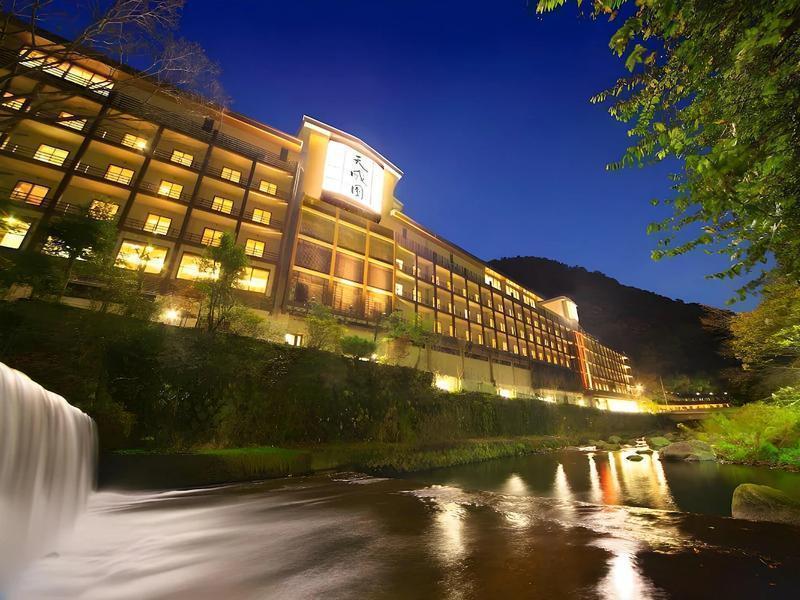
Introduction: Discovering Hakone's Crown Jewel, Tenseien
Imagine stepping into a realm where the ancient art of Japanese hot spring bathing meets breathtaking natural grandeur, all while embracing a spirit of inclusivity that is remarkably rare. Welcome to Tenseien, a truly exceptional onsen ryokan nestled in the verdant heart of Hakone, Kanagawa. From the moment you arrive, the air itself seems to whisper tales of relaxation and rejuvenation. The initial impression is one of serene majesty; traditional Japanese architecture harmonizes with lush, sprawling gardens, creating an immediate sense of peace. Tenseien is not merely a place to bathe; it is an immersive experience, a sanctuary designed to soothe the soul and invigorate the body. What sets this Hakone gem apart, making it a standout destination for both first-time visitors and seasoned Japanophiles, is its dual promise: spectacular scenery that defines the very essence of Japanese beauty, and a refreshingly tattoo-friendly policy that opens its therapeutic waters to everyone. This combination makes Tenseien a pioneering beacon in the world of traditional Japanese hospitality, inviting all to partake in its luxurious embrace.
History & Tradition: Echoes of Hakone's Onsen Heritage
Hakone Yumoto, the very location of Tenseien, boasts a history as an onsen town that stretches back over 1,200 years, making it one of Japan's most venerable hot spring destinations. The area flourished during the Edo period as a post town on the Tokaido road, offering respite and healing to weary travelers and feudal lords alike. Tenseien itself, while incorporating modern amenities, is deeply rooted in this rich tradition, serving as a contemporary custodian of Hakone's historical onsen culture. The ryokan’s architecture thoughtfully blends traditional Japanese aesthetics with a grandeur befitting its spectacular natural setting. Every detail, from the carefully placed stones in the garden to the delicate shoji screens in the rooms, reflects a profound respect for wabi-sabi – the Japanese aesthetic of finding beauty in imperfection and transience. Guests are not just staying at a ryokan; they are partaking in a living legacy, experiencing the timeless ritual of onsen bathing that has refreshed generations. This deep connection to the past enhances the sense of authenticity, making your stay at Tenseien not just a vacation, but a cultural immersion into the heart of Japanese hospitality and the enduring allure of its hot springs.
Deep Dive into the Baths: A Symphony of Water and Nature
The absolute highlight of Tenseien, and indeed a significant draw, are its magnificent baths, a true testament to the ryokan's commitment to creating an unforgettable onsen experience. The crown jewel is undoubtedly the expansive open-air rotenburo. Imagine submerging yourself in naturally heated, mineral-rich waters while surrounded by a meticulously sculpted Japanese garden, with the gentle roar of a spectacular natural waterfall – the Tamanoyu waterfall – cascading into a serene koi pond just steps away. The sheer scale and beauty of this outdoor bath are breathtaking, offering a constantly evolving tableau of nature through the seasons, from vibrant spring blossoms and lush summer greenery to fiery autumn foliage and serene winter snowscapes. The water itself at Tenseien is sourced from the Hakone Yumoto hot springs, renowned for their alkaline simple hot spring properties. This type of water is celebrated for its smoothness, often referred to as "beauty water," known to gently exfoliate and moisturize the skin, leaving it feeling soft and supple. Beyond its cosmetic benefits, the minerals are believed to alleviate muscle pain, joint stiffness, fatigue, and promote overall circulation, offering deep therapeutic relaxation.
For those seeking a more secluded experience, Tenseien also offers a selection of private baths (kashikiri). These intimate spaces provide an exclusive opportunity for couples or families to enjoy the healing waters in complete privacy, allowing for a truly personal moment of tranquility amidst the stunning surroundings. Many private baths also offer their own unique views, albeit on a more contained scale, still ensuring a connection with Hakone's natural beauty. From the main rotenburo, the exact view is a panoramic vista of the ryokan's exquisite gardens, framed by towering trees that reach towards the sky. During the day, sunlight filters through the leaves, dappling the water with shifting patterns. As dusk settles, the garden is softly lit, creating a magical atmosphere, and if the sky is clear, countless stars emerge, transforming your bathing experience into a celestial soak. The soundscape is equally enchanting: the continuous, soothing murmur of the waterfall, the gentle rustling of leaves, and the occasional chirping of birds create a natural symphony that deepens the sense of peace and relaxation. The baths at Tenseien are not just about bathing; they are an immersive sensory journey, a profound connection with nature's healing embrace.
Rooms & Accommodation: Where Tradition Meets Tranquility
Tenseien offers a diverse range of accommodations, each designed to provide a serene and comfortable sanctuary after a rejuvenating soak. The ryokan masterfully blends traditional Japanese elegance with modern conveniences, ensuring a truly luxurious stay. Guests can choose from classic Japanese-style rooms, featuring authentic tatami mat flooring, futon bedding, and elegant shoji paper screens that diffuse natural light, creating a soft, calming ambiance. These rooms often boast a traditional engawa (veranda) overlooking the ryokan's gardens or the scenic Hakone landscape, inviting quiet contemplation. For those who prefer a more Western touch without sacrificing Japanese aesthetics, there are also Japanese-Western fusion rooms, which combine the spaciousness and traditional decor of a tatami room with the comfort of Western-style beds.
The architecture throughout Tenseien reflects a profound appreciation for wabi-sabi aesthetics – an ethos that celebrates simplicity, natural materials, and the beauty of imperfection. Wood, stone, and natural fibers are used extensively, creating a warm, inviting, and timeless atmosphere. Each room is meticulously appointed with amenities designed for comfort and relaxation, from yukata robes and onsen toiletries to discreet modern technology. The sense of tranquility extends to every corner, with minimalist design ensuring that the focus remains on comfort and the surrounding natural beauty. Whether you opt for a room with a private outdoor bath or a more modest, yet equally charming, space, Tenseien’s accommodations promise a deep sense of peace, perfectly complementing the onsen experience and allowing guests to truly unwind and reconnect with themselves.
Gastronomy (Kaiseki Dinner): A Culinary Journey for the Senses
No luxury ryokan experience in Japan is complete without indulging in the exquisite art of kaiseki, and Tenseien excels in offering a culinary journey that is as visually stunning as it is delicious. The traditional multi-course dinner served at Tenseien is a celebration of local seasonal ingredients, meticulously sourced from the fertile lands of Kanagawa and the bountiful seas surrounding Japan. Each dish is a miniature work of art, thoughtfully prepared and beautifully presented, reflecting the changing seasons and the region's culinary heritage.
The menu typically features a delicate balance of flavors, textures, and temperatures, beginning with an sakizuke (appetizer) or hassun (seasonal platter) that awakens the palate with its vibrant colors and intricate tastes. You might savor fresh, locally caught seafood transformed into exquisite sashimi, artfully arranged to resemble a miniature garden. Mountain vegetables, often foraged from Hakone's own hillsides, are prepared with subtle seasoning to highlight their natural flavors, perhaps gently simmered or lightly battered as tempura. The main course often features premium meats, such as succulent Wagyu beef, cooked to perfection, or local game, showcasing the depth of regional gastronomy. Each course is a testament to the chef's skill and dedication, guiding diners through a progression of refined tastes.
Breakfast at Tenseien is equally delightful, offering a traditional Japanese spread that is both nourishing and comforting. Expect a generous array of dishes including grilled fish, fluffy tamagoyaki (rolled omelet), miso soup, steamed rice, and a variety of small, flavorful side dishes (tsukemono). It’s the perfect, wholesome start to a day of exploration in Hakone. Dining at Tenseien is not just about eating; it's an immersive cultural experience, a delicate symphony of flavors and aesthetics that perfectly complements the ryokan's commitment to luxurious relaxation and natural beauty.
Things to Do Around the Area: Hakone's Abundant Charms
Hakone is a treasure trove of natural beauty, cultural landmarks, and captivating attractions, ensuring that your visit to Tenseien is just one part of a truly enriching escape. Located strategically in the heart of this popular resort town, Tenseien provides an ideal base for exploring the region.
Just a short distance away is the Hakone Open-Air Museum, an unparalleled outdoor gallery featuring sculptures by world-renowned artists like Henry Moore and Pablo Picasso, set against the backdrop of Hakone's stunning mountains. It's a fantastic blend of art and nature, perfect for a leisurely stroll. For panoramic views and a unique perspective, take the Hakone Ropeway over volcanic vents, offering dramatic vistas of Mount Fuji and Lake Ashi. The ropeway connects to Owakudani, the "Great Boiling Valley," where you can witness active sulfur vents and perhaps even try a black egg (kuro-tamago), said to add seven years to your life.
A cruise across the serene Lake Ashi (Ashinoko) aboard a pirate ship replica is a must-do, providing stunning reflections of Mount Fuji on clear days. On the shores of the lake, nestled amongst ancient cedar trees, lies the iconic Hakone Shrine (Hakone-jinja), with its famous red torii gate rising majestically from the water – a truly iconic photo opportunity and a spiritual haven. For art enthusiasts, the Pola Museum of Art is another excellent choice, housing an impressive collection of Western and Japanese art. Nature lovers will also enjoy the many hiking trails, including parts of the Old Tokaido Road, offering a glimpse into Japan's past and breathtaking views. Don't forget to explore the charming local streets of Hakone Yumoto itself, where you'll find quaint shops selling local crafts, delicious regional snacks, and souvenirs to commemorate your unforgettable journey.
Access Guide: Journey to Tenseien
Reaching Tenseien, nestled in the picturesque Hakone Yumoto, is a straightforward and enjoyable journey from Japan's major cities, offering scenic routes that prepare you for the tranquility ahead.
From Tokyo (Shinjuku Station): 1. Odakyu Romancecar: The most direct and comfortable option. Take the Limited Express Romancecar from Shinjuku Station directly to Hakone-Yumoto Station. This journey typically takes about 85-90 minutes. It's recommended to reserve seats in advance, especially during peak seasons. 2. Local Trains + Odakyu Line: A more economical option involves taking a local JR line from Shinjuku to Odawara (e.g., JR Shonan-Shinjuku Line or JR Tokaido Line), which takes about 75-90 minutes. From Odawara Station, transfer to the Hakone Tozan Railway for a scenic 15-minute ride to Hakone-Yumoto Station.
From Tokyo (Tokyo Station): 1. Shinkansen + Hakone Tozan Railway: Take the Tokaido Shinkansen (Kodama or Hikari services) from Tokyo Station to Odawara Station. This rapid journey takes approximately 35 minutes (Kodama) or 25 minutes (Hikari). From Odawara Station, transfer to the Hakone Tozan Railway for the final 15-minute leg to Hakone-Yumoto Station.
From Narita International Airport (NRT): 1. Narita Express (N'EX) + Shinkansen: Take the Narita Express to Tokyo Station (approx. 60-90 minutes). From Tokyo Station, follow the "From Tokyo (Tokyo Station)" instructions above. 2. Limousine Bus: Direct limousine buses are available from Narita Airport to Odawara Station, though this takes significantly longer (approx. 2.5-3 hours) depending on traffic. From Odawara, transfer to the Hakone Tozan Railway.
From Haneda Airport (HND): 1. Keikyu Line + Shinkansen: Take the Keikyu Line from Haneda Airport to Shinagawa Station (approx. 15-20 minutes). From Shinagawa, take the Tokaido Shinkansen to Odawara Station (approx. 30 minutes). Then, transfer to the Hakone Tozan Railway to Hakone-Yumoto. 2. Limousine Bus: Direct limousine buses are available from Haneda Airport to Odawara Station (approx. 1.5-2 hours). From Odawara, transfer to the Hakone Tozan Railway.
From Hakone-Yumoto Station to Tenseien: Tenseien is conveniently located approximately a 10-15 minute walk from Hakone-Yumoto Station. Alternatively, a short taxi ride of about 5 minutes is available from the station. Many ryokans in the area also offer shuttle services, so it's worth checking with Tenseien directly about their shuttle availability, especially if you have heavy luggage. The walk itself is pleasant, winding through the charming streets of Hakone Yumoto, setting the perfect tone for your onsen retreat.
FAQ & Practical Tips: Enhancing Your Tenseien Experience
To ensure your visit to Tenseien is as smooth and enjoyable as possible, here are some frequently asked questions and practical tips:
Q: What is Tenseien's tattoo policy? A: This is one of Tenseien's most commendable features! Tenseien is explicitly tattoo-friendly, welcoming guests with tattoos to use all its public and private bathing facilities without needing to cover them. This policy makes it a rare and highly sought-after destination for international travelers and those who might otherwise feel restricted at other Japanese onsens. Embrace the freedom to enjoy the waters fully.
Q: When is the best season to visit Tenseien and Hakone? A: Hakone is beautiful year-round, but each season offers a unique charm. * Spring (March-May): Witness the exquisite cherry blossoms (sakura) in late March to April, painting the landscape in delicate pinks and whites. The weather is generally mild and pleasant. * Summer (June-August): Lush greenery, vibrant hydrangeas, and warmer temperatures make it ideal for hiking and exploring. * Autumn (September-November): Arguably the most popular season, as Hakone’s mountains ignite with spectacular autumn foliage, displaying a breathtaking palette of reds, oranges, and golds. The views from the rotenburo are particularly stunning. * Winter (December-February): Enjoy a serene, tranquil atmosphere, often with snow-dusted landscapes creating a magical backdrop for your onsen soak. The contrast of the warm baths against the crisp air is incredibly invigorating.
Q: How far in advance should I book? A: Given Tenseien's popularity, especially for its tattoo-friendly policy and stunning views, it is highly recommended to book your stay several months in advance, particularly if you plan to visit during peak seasons (cherry blossom season, autumn foliage, national holidays, and weekends). For private baths or specific room types, even earlier booking is advisable.
Q: What should I bring? A: Tenseien provides yukata (casual kimono), towels, and toiletries. You may wish to bring your own comfortable clothes for lounging, any personal skincare items, and a small bag for day trips. Remember to pack lightly, as enjoying the ryokan's amenities in a yukata is part of the experience.
Q: Is there Wi-Fi available? A: Yes, Tenseien offers free Wi-Fi access throughout the ryokan, allowing you to stay connected while enjoying your retreat.
Q: Are there vegetarian or dietary options for kaiseki dinner? A: It is essential to inform the ryokan of any dietary restrictions or allergies at the time of booking. While traditional kaiseki is meat and fish-heavy, many ryokans, including Tenseien, are increasingly accommodating and can prepare alternative dishes with prior notice.
Q: What is the onsen etiquette? A: Before entering the hot springs, you must wash thoroughly at the shower stations. Do not wear swimsuits in the public baths (though private baths allow more flexibility). Enter the bath slowly and soak quietly. Keep towels out of the bathwater.
Conclusion: A Tattoo-Friendly Haven with Unforgettable Views
Tenseien stands as a beacon of modern hospitality deeply rooted in traditional Japanese elegance, offering an onsen experience that is both inclusive and extraordinarily luxurious. Its rare tattoo-friendly policy breaks down barriers, inviting everyone to partake in the age-old ritual of hot spring bathing. Coupled with the spectacular scenery that surrounds its magnificent open-air baths and meticulously designed grounds, Tenseien promises not just a stay, but a profound connection with nature and self. From the soothing warmth of the mineral-rich waters and the exquisite flavors of multi-course kaiseki to the tranquil beauty of its rooms and the abundant charms of Hakone, every aspect of Tenseien is crafted to create an unforgettable escape. This is more than just a ryokan; it is a destination where relaxation, cultural immersion, and breathtaking natural beauty converge, leaving you with memories that will linger long after the steam has faded. For a truly authentic yet uniquely accommodating Japanese onsen journey, Tenseien in Hakone is simply unparalleled.