
Japan Konbini Guide: Convenience Store Tips for Travelers | OKOnsen
Book via external sites — search Kusatsu area stays
This page is a guide, not a booking form. The button opens Rakuten Travel in a new tab to search ryokan in the Kusatsu area — not always this exact property.
Affiliate links · opens in new tab
The Ubiquitous Lifeline: Navigating Japan's Konbini Galaxy
For anyone embarking on an adventure through the mesmerizing landscapes and bustling cities of Japan, the concept of a "convenience store" takes on an entirely new dimension. Forget the dimly lit, often sparse aisles of their Western counterparts; in Japan, the konbini (コンビニ) is a vibrant, impeccably clean, and surprisingly sophisticated pillar of daily life. More than just a place to grab a quick snack, these establishments – dominated by titans like 7-Eleven, Lawson, and FamilyMart – serve as essential hubs for everything from gourmet meals and emergency supplies to financial services and postal drops. This exhaustive konbini guide is designed to empower travelers, transforming what might seem like a simple pit stop into a strategic resource for navigating the intricacies of Japanese travel. Whether you're a first-timer bewildered by the array of choices or a seasoned visitor looking to optimize your experience, understanding the konbini ecosystem is paramount to a smooth, enjoyable, and authentically Japanese journey. From powering through early morning bullet train rides with a freshly brewed coffee to salvaging a rainy day with an affordable, high-quality umbrella, your local konbini is your reliable companion, a true lifeline in the heart of japan.
More Than Just a Store: The Cultural Fabric Woven by Japan's Konbini
To truly appreciate the functionality and importance of Japan's convenience stores, one must understand their historical evolution and profound cultural significance. The first 7-Eleven store opened its doors in Japan in 1974, adapting the American model to fit the unique demands of a densely populated, service-oriented nation. What followed was an explosion, with konbini rapidly becoming integral to the urban and even rural landscape. Their success is rooted in several key factors: unwavering commitment to quality, unparalleled cleanliness, exceptional customer service, and an astonishing breadth of offerings.
Unlike convenience stores in many other parts of the world, Japanese konbini are not just about impulse buys. They are designed to support a lifestyle characterized by long working hours, smaller living spaces, and a high value placed on efficiency and fresh ingredients. This cultural context means that konbini food, for example, is not merely processed junk but often high-quality, freshly prepared, and nutritionally balanced options. They adapted to become mini-supermarkets, delis, ATMs, post offices, and even community centers, all rolled into one compact, accessible location.
The konbini embodies the Japanese dedication to omotenashi (hospitality), evident in everything from the staff's polite greetings to the meticulous organization of shelves. They play a crucial role in providing essential infrastructure, especially for a population often on the go. For travelers, this translates into an incredibly reliable and safe network of resources available 24/7, making the konbini an invaluable cultural institution to understand and utilize for a truly comfortable experience in japan.
Your Essential Konbini Playbook: Unlocking Daily Conveniences
Mastering the konbini involves understanding its vast capabilities beyond simply grabbing a drink. Here’s a detailed breakdown of how travelers can leverage these indispensable stores.
Culinary Delights for Every Palate and Pocket
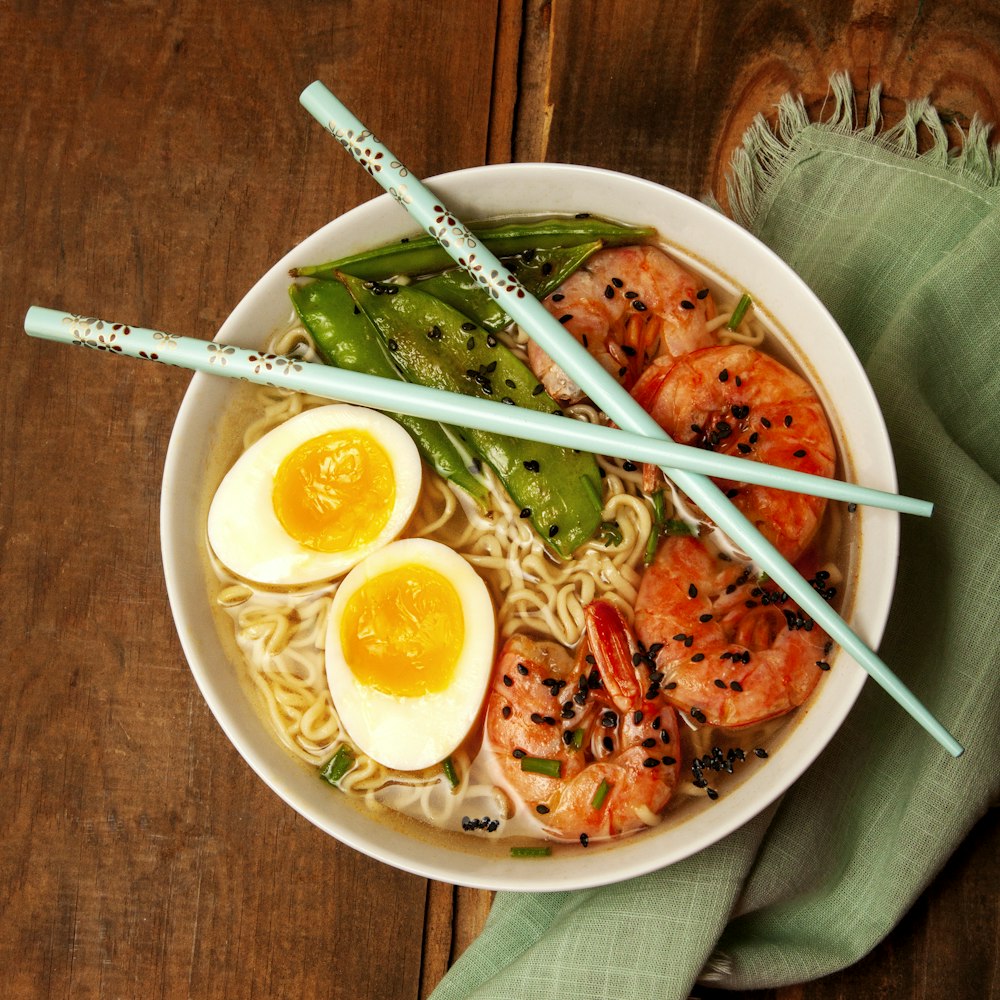
The food selection at a Japanese konbini is legendary, offering a delicious and affordable alternative to restaurants. * Onigiri (Rice Balls): A cornerstone of konbini cuisine. Filled with everything from salmon and pickled plum to tuna mayo, these triangular rice parcels are perfect for a quick, satisfying bite. Look for the peeling instructions on the wrapper for a mess-free experience. * Bento Boxes: Pre-packaged meals ranging from intricate sushi sets to hearty chicken cutlets (katsu) with rice, often featuring multiple compartments for different dishes. They are fresh, varied, and an excellent way to experience Japanese flavors on a budget. Many come with heating instructions, and staff will offer to microwave them for you. * Sandwiches: Far from basic, Japanese konbini sandwiches boast incredibly soft bread and unique fillings like egg salad (tamago sando), katsu, or fruit and cream. * Instant Noodles & Soups: A vast array of cup noodles, from classic ramen to regional specialties. Perfect for a late-night snack or a warm meal on a chilly day. Hot water dispensers are usually available. * Hot Snacks: Near the register, you’ll find an enticing selection of freshly fried or steamed items. Lawson is particularly famous for its "Karaage-kun" fried chicken nuggets (available in various flavors), while 7-Eleven and FamilyMart offer similar delights like Famichiki and nikuman (steamed pork buns) seasonally. Oden, a hot pot of various ingredients simmered in a dashi broth, is a winter staple. * Baked Goods & Desserts: From melon bread (melon pan) to elaborate parfaits and puddings, the dessert selection is surprisingly high-quality and constantly updated with seasonal treats. * Drinks: A staggering variety of teas (green, oolong, barley), coffees (canned, bottled, or freshly brewed from machines), fruit juices, energy drinks, and of course, alcoholic beverages (beer, sake, chu-hi) available for those 20 years and older.
Heating Your Meal: When you purchase a bento or other microwaveable item, the cashier will almost always ask "Atatamemasuka?" (Would you like it heated?). A simple "Hai, onegaishimasu" (Yes, please) will suffice.
Indispensable Services for the Modern Traveler
Beyond sustenance, konbini are service powerhouses. * ATMs: Many konbini, especially 7-Eleven and Lawson, host ATMs that accept international debit and credit cards (look for the "International ATM" sign or major card network logos like Plus, Cirrus, Visa, Mastercard). This is often the most reliable way to withdraw cash in japan. * Wi-Fi: While less common as primary sources now, some konbini offer free Wi-Fi, though you might need to register. It's more of a backup. * Printing & Copying: Multifunction machines allow for printing documents from USB drives, smartphones, or cloud services. Ideal for printing tickets or reservation confirmations. * Postal Services: You can buy stamps and even send small packages or postcards from konbini. * Emergency Supplies: Umbrellas (a lifesaver during sudden downpours), raincoats, basic toiletries (toothpaste, toothbrushes, shampoo), over-the-counter medicines for common colds or pain relief, batteries, phone chargers, and even basic apparel like socks are readily available.
Navigating the Shopping Experience
- Payment: Cash is king in japan, but most konbini now widely accept IC cards (like Suica, Pasmo, Icoca), credit cards (Visa, Mastercard), and various QR code payment apps (PayPay, Line Pay).
- Plastic Bags: Be aware that plastic bags now often incur a small charge (typically ¥3-¥5). You'll be asked "Fukuro wa gozaimasu ka?" (Do you need a bag?). You can say "Hai" for yes or "Iie" for no, or simply gesture.
- Customer Service: Expect polite and efficient service. Even with language barriers, staff are usually patient and helpful.
- Trash Disposal: Japanese public trash cans are rare. Many konbini provide segregated bins for different types of waste (burnable, plastic bottles, cans, glass). Always dispose of your trash responsibly, separating items correctly.
- Restrooms: While not all konbini have public restrooms, many do. They are invariably spotless and well-maintained. Look for signs, or politely ask "Toire wa arimasu ka?" (Is there a restroom?).
Beyond the Basics: Savvy Traveler's Secrets for Konbini Mastery
To truly elevate your konbini game, embrace these expert recommendations that go beyond mere survival, turning every visit into an opportunity for discovery and convenience.
The Art of Brand Exploration
Each major konbini chain has its unique strengths and fan favorites. Don't limit yourself to just one! * 7-Eleven: Renowned for its "Seven Premium" brand, which offers high-quality products from fresh food to household items at competitive prices. Their coffee machines (Seven Cafe) are also highly regarded for their consistent quality and affordability. 7-Eleven ATMs are generally the most reliable for international cards. * Lawson: Often perceived as slightly more food-focused with a strong emphasis on hot snacks. Their "Karaage-kun" fried chicken is a must-try. Lawson also runs "Natural Lawson," catering to health-conscious consumers with organic and natural food options. * FamilyMart: Famous for its "Famichiki" fried chicken and often has a slightly wider selection of baked goods and a distinct coffee brand. They are also known for their loyalty program, which travelers might not use, but their general product range is excellent.
Seasonal Sensations and Limited Editions
Japanese konbini are masters of seasonality. Keep an eye out for limited-time offers and seasonal flavors, especially for drinks, snacks, and desserts. Sakura (cherry blossom) themed items in spring, refreshing fruit flavors in summer, pumpkin and sweet potato in autumn, and rich chocolate in winter are common. These rotate frequently, offering a continuous stream of new culinary experiences.
Budget Travel Hacks & Everyday Savings
For budget-conscious travelers, konbini can be a game-changer. * Breakfast & Lunch: Combine onigiri, a bento, a fresh salad, and a drink for a significantly cheaper and often healthier meal than dining out. * Picnics: Grab an assortment of konbini delights and head to a park or scenic spot for an impromptu, affordable picnic experience. * Snacks for the Road: Stock up on drinks and snacks before long train journeys or bus trips to avoid inflated prices at stations or on board. * Unexpected Needs: Instead of searching for specialty stores for a simple umbrella, charger, or travel-sized toothpaste, your nearest konbini will almost certainly have what you need at a reasonable price, saving you time and stress.
Cultural Etiquette and Language Aids
While konbini are incredibly user-friendly, a few cultural nuances can enhance your experience: * Queueing: Always form a neat line. * Eating: While some konbini have small eat-in spaces, it’s generally considered polite to take your food outside or back to your accommodation, rather than lingering and eating inside the store. * Basic Phrases: "Arigato gozaimasu" (Thank you very much) when paying, "Sumimasen" (Excuse me) to get attention, and "Kore onegaishimasu" (This, please) when presenting an item to the cashier can go a long way. Don't be afraid to point! Most staff are accustomed to non-Japanese speakers.
The Golden Rule of Exploration
The best way to master the konbini is to explore! Each store, even within the same chain, might have slightly different offerings or layouts. Take a moment to browse the aisles, discover new snacks, and marvel at the efficiency. You'll quickly develop your own favorites and understand why these stores are so beloved in japan.
Your Konbini Companion: Mastering the Art of Travel in Japan
As our comprehensive konbini guide draws to a close, it should be abundantly clear that Japan's convenience stores are far more than mere retail outlets. They are fundamental components of the travel ecosystem, offering an unparalleled blend of convenience, quality, and cultural insight. From providing delicious, affordable sustenance around the clock to acting as vital hubs for cash withdrawals, emergency supplies, and even logistical support, the konbini truly is the traveler's best friend in japan.
By understanding their historical roots, embracing their vast practical offerings – from 7-Eleven’s reliable ATMs and "Seven Premium" brand to Lawson’s delectable Karaage-kun – and adopting the savvy tips shared within this guide, you are now equipped to navigate japan with confidence and ease. Let your local konbini be your go-to resource for everything from a quick onigiri snack to a last-minute souvenir. They embody the efficiency, cleanliness, and thoughtful service that characterize Japanese society. So, step inside, explore, and let the incredible world of the konbini enrich your journey and make your time in japan truly unforgettable.
Quick Konbini Tips for First-Time Visitors
- Look for the ATM sign — many konbini ATMs accept international cards for cash withdrawals.
- Beyond snacks, konbini often handle bill payments, ticket pickups, and parcel drop-offs.
- Free restrooms and Wi-Fi make them a handy rest stop between sightseeing spots.
- Staff can warm up a bento or add utensils if you ask — a simple gesture usually works.
This guide is especially useful for first-time visitors, budget travelers, and anyone wanting to make the most of Japan's convenience store network.
You might also like
Was this page helpful?
Your feedback helps us improve our guides
Related Onsen Guides
- The Prince Hakone Lake Ashinoko: A Complete Lakeside Escape Beneath Mount Fuji
- Kashikiri Buro Guide: How to Book a Private Onsen Bath in Japan
- Nyuto Onsen Village: Chasing Milky White Waters in Akita's Secret Mountains
- Maximizing Your Luxury Ryokan Experience: A Guide to Omotenashi
- Jozankei Onsen: The Ultimate Hot Spring Escape from Sapporo City
- A Gourmet Journey: Understanding Kaiseki Ryori at Traditional Ryokans
Popular Ryokan Pages
- Kusatsu Onsen Ryokan Yoshinoya: Luxury Private Baths & Stay Guide | OKOnsen
- Kurokawa Onsen Hozantei: Ultimate Riverside Ryokan Guide
- The Prince Hakone Lake Ashinoko: Luxury Onsen & Lake Ashi Views - Expert Review & Booking Guide
- Yufuin-so Onsen Ryokan (2026): Tattoo-Friendly Stay with Mt. Yufu Views
- Nyuto Onsen Kuroyu: Akita's Legendary Hidden Hot Spring Retreat
- Ganiba Onsen: The Secret Milky-White Bath Deep in Nyuto's Beech Forest
- Jozankei Onsen Grand Blissen Hotel: Sapporo's Riverside Sanctuary of Steam and Forest
- Ginzan Onsen Izu no Hana: A Gaslit Dream in Obanazawa, Yamagata
- Chalet Ivy Jozankei: A Nordic-Inspired Onsen Retreat in the Sapporo Highlands
- Jozankei Onsen Koyotei: A Riverside Retreat in Sapporo's Mountain Spa Town