
The Ultimate Ryokan Guide: Sleeping, Soaking, and Savoring Japan's Onsen Culture
Book via external sites — search Kusatsu area stays
This page is a guide, not a booking form. The button opens Rakuten Travel in a new tab to search ryokan in the Kusatsu area — not always this exact property.
Affiliate links · opens in new tab
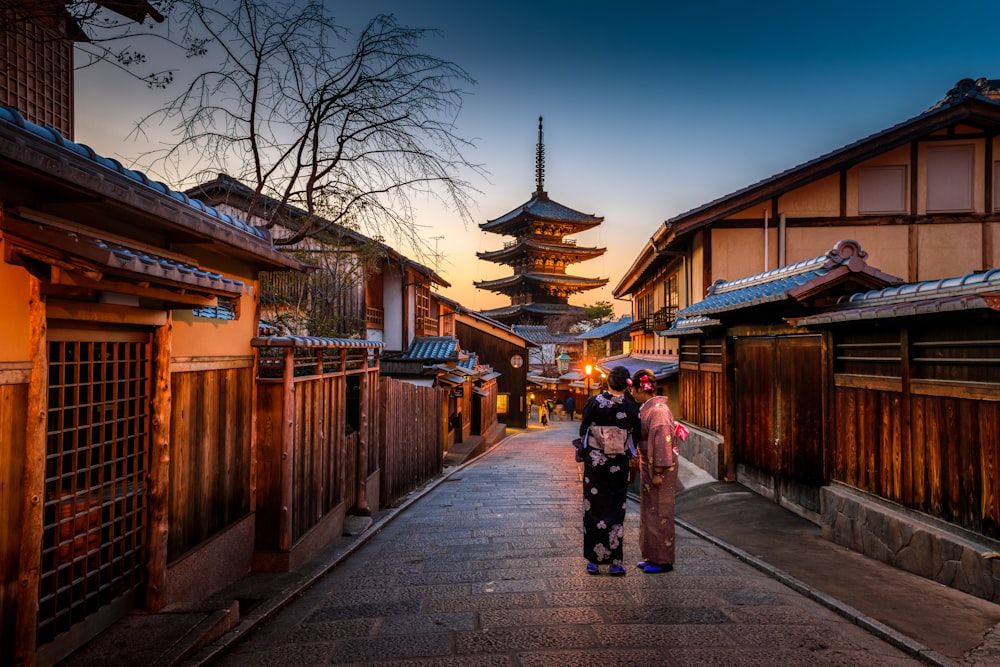
Few experiences capture the essence of Japan quite like a night spent in a ryokan. Unlike a conventional hotel, a ryokan is a complete sensory and cultural environment: tatami-matted rooms that smell faintly of fresh rice straw, futons laid out by attentive staff, a multi-course kaiseki dinner served in your room or a private dining hall, and almost always, access to a steaming onsen bath drawn from a natural hot spring. For travelers seeking something beyond sightseeing — an actual encounter with Japanese domestic life, seasonal cuisine, and centuries-old hospitality rituals — the ryokan is not a lodging choice. It is the destination itself.
A stay typically begins in the late afternoon, around check-in time, so that guests can bathe, change into a yukata (a light cotton robe), and unwind before dinner. This pacing is deliberate. Ryokan culture treats rest as an active pursuit rather than a passive byproduct of travel, and the entire architecture of the evening — bath, robe, meal, bath again, sleep — is built around slowing a guest down. For many first-time visitors to Japan, this is the single experience that reframes the whole trip, turning a checklist of temples and train stations into something closer to a retreat.
Why the Ryokan Became Japan's Signature Hospitality Form
The ryokan's roots stretch back over a thousand years, to the Nara and Heian periods, when inns began appearing along well-traveled routes to serve pilgrims, merchants, and traveling officials. The format solidified during the Edo period (1603–1868), when the shogunate's sankin-kōtai system required feudal lords to travel regularly between their home provinces and the capital. This created a steady stream of travelers along highways like the Tōkaidō, and with them came a demand for reliable, comfortable lodging. Post towns sprang up with dedicated inns — some grand enough to host lords and their retinues, others modest waystations for common travelers — and many of today's oldest ryokan trace their lineage directly to these Edo-era establishments, some having operated continuously under the same family for over three hundred years.
What distinguishes the ryokan from a simple inn is the philosophy of omotenashi — a word often translated as "hospitality" but which carries a deeper implication of anticipating a guest's needs before they are voiced. This is why staff greet guests by name, why futons appear in a room seemingly without anyone noticing, and why a kaiseki dinner is paced to match the rhythm of conversation rather than a kitchen's convenience. The ryokan is also inseparable from Japan's onsen culture. Japan sits atop a volcanic archipelago, and natural hot springs are abundant — a geological accident that the Japanese transformed into a cornerstone of wellness and social life. Bathing in an onsen Japan tradition holds dates back centuries, tied to Shinto notions of purification as well as simple physical comfort, and many ryokan were built specifically because a hot spring emerged nearby. Towns like Kusatsu, Beppu, Hakone, and Kinosaki grew almost entirely around their springs, with ryokan as the anchor institution of local economic and cultural life.
Choosing and Booking a Ryokan Without the Guesswork
Selecting the right ryokan matters more than selecting the right hotel, because the experience varies enormously by type, region, and price tier. Here is a practical framework.
Decide on a bathing style first. Many ryokan offer rotenburo (open-air baths) with mountain, forest, or ocean views, which tend to be more memorable than indoor-only baths. If privacy matters, look specifically for ryokan offering kashikiri-buro (private reservable baths) or rooms with their own attached bath, since traditional onsen are communal and gender-separated, which some travelers — particularly those with tattoos or who are simply shy — may want to avoid.
Understand the meal plan before booking. Most ryokan rates are quoted per person, including dinner and breakfast (known as ichi-shoku-tsuki or the fuller kaiseki plan). This is not optional padding; the evening meal is often the highlight of the stay, built around seasonal, local ingredients prepared by a dedicated chef. If a listing is unusually cheap, check whether meals are included at all.
Book directly when possible, but compare aggregators first. Platforms like Japanese Guest Houses, Rakuten Travel, and Jalan list options unavailable on English-language sites, and booking directly with smaller family-run ryokan (by phone or email, sometimes requiring a Japanese speaker) can unlock rooms or discounts not shown online. For first-timers, however, a reputable English-friendly booking platform reduces the risk of miscommunication over dietary restrictions, arrival times, or bath reservations.
Time your reservation around check-in culture. Ryokan check-in is typically 3:00–4:00 PM and checkout 10:00–11:00 AM — notably earlier than Western hotel norms — because staff need the intervening hours to reset rooms, prepare meals, and manage bath schedules. Arriving right at check-in time, rather than late in the evening, lets you enjoy a leisurely pre-dinner bath, which is really the point of the whole stay.
Learn basic onsen etiquette in advance. Wash thoroughly at the shower stations before entering the communal bath; never let your towel touch the water; tie up long hair; and if you have tattoos, call ahead, since policies vary widely — some onsen Japan establishments now offer tattoo-friendly private baths or cover-up stickers rather than blanket bans.
Where the Experience Reaches Its Peak: Regional Picks and Insider Notes
Japan has thousands of ryokan, but certain regions reward the effort of a special trip.
Hakone, less than ninety minutes from Tokyo by train, is the easiest high-quality introduction, with ryokan ranging from modest family inns to luxury properties overlooking Mount Fuji, many featuring private rotenburo on balconies.
Kinosaki Onsen, in Hyōgo Prefecture, is built for a specific ritual: guests stay in a ryokan, then stroll the town in yukata and geta sandals, hopping between seven different public bathhouses — a tradition unlike anywhere else in Japan and genuinely one of the country's most atmospheric evenings.
Kurokawa Onsen in Kyushu preserves an old-town aesthetic of wooden buildings along a river gorge, and purchasing a tegata (a wooden pass) allows access to three different outdoor baths across participating ryokan, encouraging a bath-hopping circuit through the village.
Jozankei Onsen, near Sapporo in Hokkaido, offers a quieter, forested alternative with excellent winter scenery, dramatic snowfall framing open-air baths, and a slightly more off-the-radar feel for travelers who have already covered Hakone or Kyoto.
Noboribetsu Onsen, also in Hokkaido, sits beside a volcanic valley nicknamed "Hell Valley," and ryokan here often draw from several distinct spring sources with differing mineral compositions — some sulfuric, some iron-rich — giving guests the rare chance to compare multiple water types in a single trip.
As a general rule of thumb for first-time visitors: choose one ryokan night as a deliberate highlight rather than scattering ryokan stays across an entire itinerary. The cost per night (often $200–600+ for quality properties) and the slower pace reward a focused one- or two-night stay bookended by more conventional city lodging.
Bringing the Ritual Home: What Lasts After Checkout
The ryokan endures not because it is quaint but because it solves a problem most modern hospitality has stopped trying to solve: how to make a guest feel genuinely cared for rather than merely processed. The yukata, the multi-course dinner, the futon laid at just the right hour, the mineral-rich water of an onsen Japan has nurtured for centuries — all of it forms a system designed around attentiveness rather than efficiency. For travelers willing to slow down, adjust their schedule to an earlier check-in, and embrace a few unfamiliar customs around bathing and dining, a ryokan stay offers something no amount of five-star hotel infrastructure can replicate: a direct, lived connection to a tradition of hospitality that has been refined, generation after generation, for over a thousand years. Book one night deliberately, choose a region with a bathing ritual you actually want to try, and the rest of the trip will be measured against it.
You might also like
Was this page helpful?
Your feedback helps us improve our guides
Related Onsen Guides
- Kashikiri-buro vs Kazoku-buro: The Complete Guide to Private and Family Baths at Japanese Onsen
- Best Day-Trip Onsen in Japan: Family Bath Reservations Made Easy
- Tsuru no Yu vs. Nyuto Onsen Kyo: The Complete Ryokan Comparison Guide for Akita's Mountain Hot Springs
- Day-Trip Onsen Escapes: The Complete Family Bath Reservation Guide
- Safe Onsen Guide for Pregnant Women: Ingredients to Avoid and Recommended Accommodations
- Tattoo-Friendly Onsens in Fukuoka and Yufuin: The Complete 2026 Guide
Popular Ryokan Pages
- Kusatsu Onsen Ryokan Yoshinoya: Luxury Private Baths & Stay Guide | OKOnsen
- Kurokawa Onsen Hozantei: Ultimate Riverside Ryokan Guide
- The Prince Hakone Lake Ashinoko: Luxury Onsen & Lake Ashi Views - Expert Review & Booking Guide
- Yufuin-so Onsen Ryokan (2026): Tattoo-Friendly Stay with Mt. Yufu Views
- Jozankei Onsen Kuramure: A Sapporo Ryokan Sanctuary Where Art Meets Hot Spring Serenity
- Takaragawa Onsen Ousenkaku: Japan's Most Epic Outdoor Riverside Baths
- Nyuto Onsen Tsurunoyu: Japan's Most Iconic Historic Ryokan Review
- Nyuto Onsen Kuroyu: Akita's Legendary Hidden Hot Spring Retreat
- Ganiba Onsen: The Secret Milky-White Bath Deep in Nyuto's Beech Forest
- Noboribetsu Onsen Adzuma: Hokkaido's Secluded Sanctuary of Milky-White Sulphur Baths